About Pet Sales Australia
Sources checked
Pet Sales Australia, at petsales.net.au, is an online classifieds site for buying, selling, rehoming and adopting animals within Australia. The business is based in Victoria and trades under ABN 43 597 814 497.
Listings open soon. The site is a complete rebuild: read its history.
The short version
- Pet Sales Australia is an online classifieds site for buying, selling, rehoming and adopting animals within Australia. The business is based in Victoria (ABN 43 597 814 497).
- We connect buyers and sellers. We’re not part of any sale. We don’t hold, transfer or protect payments: buyers pay sellers directly.
- We make our money from sellers. Buyers pay nothing. Free to list. A one-off $9.95 ID check before your first listing.
- Every seller must pass an ID check before their first listing goes live. Where Victoria’s rules apply, a listing of dogs or cats already born also needs an active source number: the seller’s number on the Pet Exchange Register.
- No check proves an animal exists, is healthy or is as described, or that the seller is honest. Meet the seller and the animal in person before you pay anything, including a deposit.
- The site is a complete rebuild. Its history.
Why we run this site
Australian pet classifieds that connect buyers with breeders, owners and rescues. Every seller passes an ID check before their first listing.
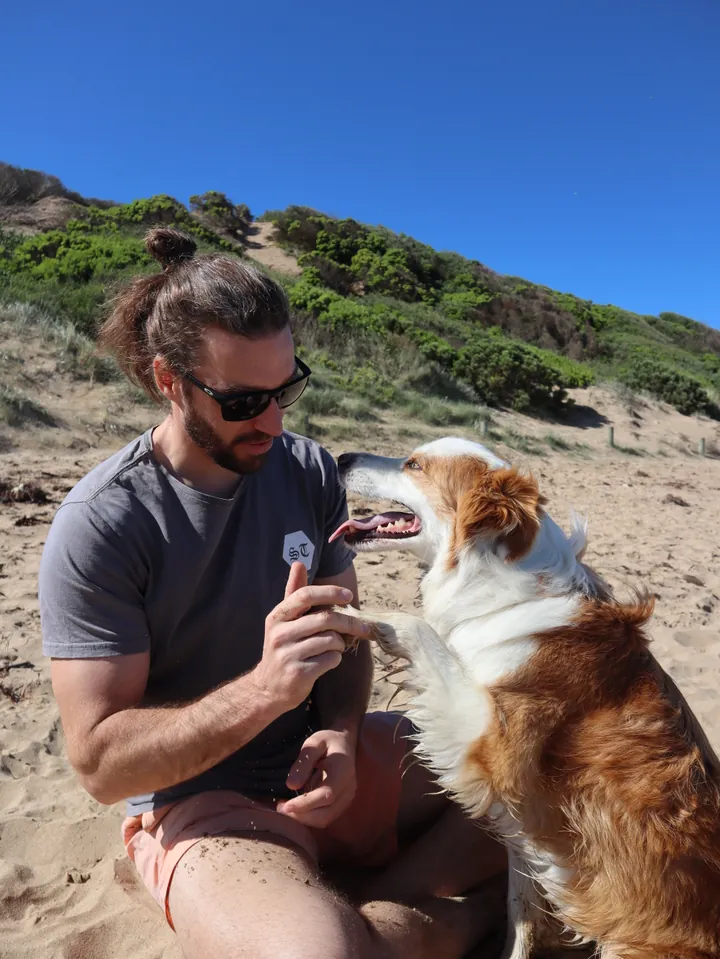
We want to play a part in reducing pet scams in Australia, so people can feel safer contacting a seller.
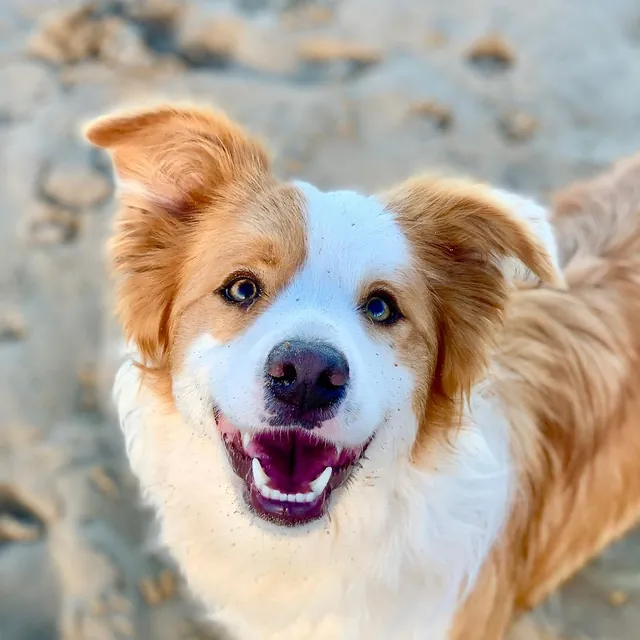
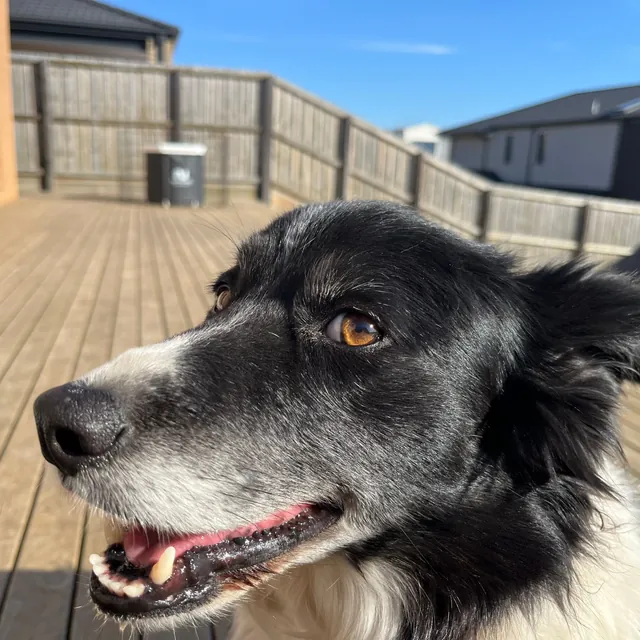
People lose their hard-earned money to scams, and we see that as a big problem in the pet world. We also love pets, and we want more people to know what a pet can mean to a family. Pets give us purpose and company, and the purest love there is. Rosie and Sophie, our family’s Border Collies, show us that every day. Why Max runs it.
Business details
- Business name: Pet Sales Australia, registered with ASIC (search ASIC’s business names register)
- ABN: 43 597 814 497 (look it up on ABN Lookup)
- Structure: sole trader
- Based in: Geelong, Victoria, Australia
- Website: petsales.net.au
- Email: info@petsales.net.au
Pet Sales Australia is an independent pet classifieds business. It is not the Pet Exchange Register and is not run or endorsed by Animal Welfare Victoria or the Victorian Government.
Who edits the guides
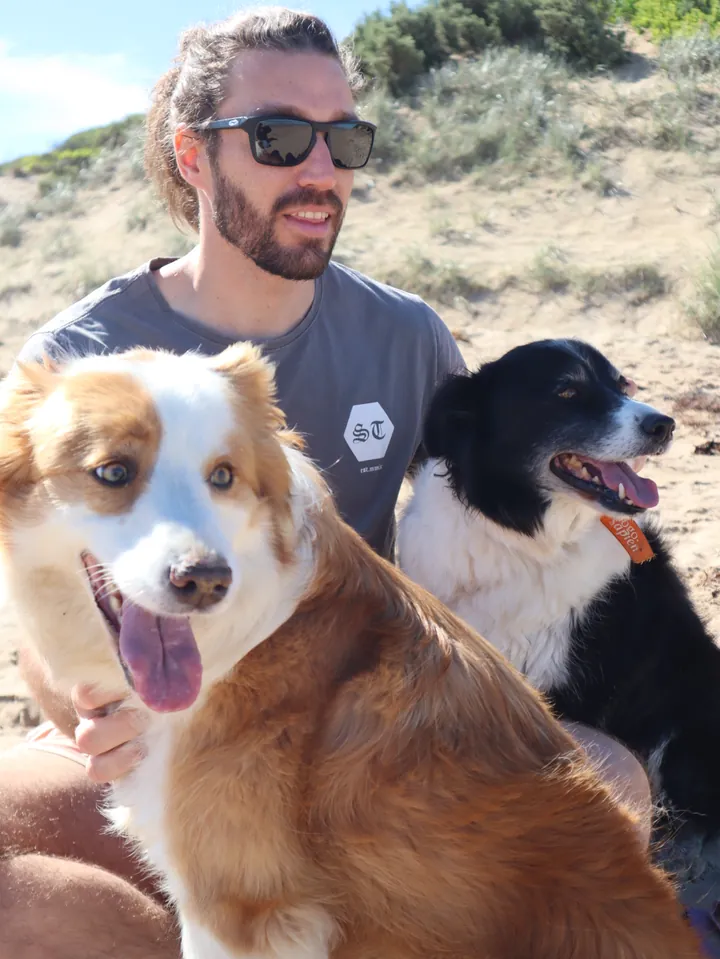
Max Jacobs owns and runs Pet Sales Australia, and is the editor responsible for our guides. More about Max.
What we do
Once listings open, breeders, owners rehoming a pet and rescue groups list their animals here, and buyers find them. That includes dogs, cats, rabbits, ferrets, birds, livestock and other animals we allow: see our Listing Rules.
We connect buyers and sellers. We’re not part of any sale.
- We don’t breed, own, sell, inspect, house, transport or deliver animals.
- We don’t hold, transfer or protect payments. Buyers pay sellers directly.
Selling? See how listing works. Join the list to hear when listings open.
Looking for a pet? Until listings open, read where to buy a puppy safely, or see how to check a breeder’s source number.
How we make money
Pet Sales Australia makes its money from sellers. Buyers pay nothing.
- Listing. Free to list. A one-off $9.95 ID check before your first listing. It covers up to 3 tries within 30 days of approving the payment. We charge it once a try gets a result, pass or fail, and if all 3 fail, a new check is another $9.95. Rescue groups and shelters don’t pay it once their organisation passes our check (how it works for rescues).
- Featured. $19 for 30 days. Featured is a paid ad position, labelled “Featured”. Featured listings take turns in the top spots on each page. It isn’t a check.
- Pro. A membership for breeders: $149 a year, or $19 a month. Yearly Pro includes this: feature every live listing, at no extra cost, while you’re on yearly Pro. On the monthly plan, you can pause for $5 a month instead of cancelling. Paid Pro renews until you cancel. The Pro badge shows membership, not a check.
Featured and Pro aren’t open yet. Our Prices page has the details. Prices are in Australian dollars, and the price shown is the total you pay.
We don’t take a cut of any sale, and we don’t show display ads. Our Privacy Policy also says, “We don’t sell or rent your information, share it with advertisers or show display ads.”
How we check sellers
These checks run once listings open. Every check has limits, so we say exactly what each one covers.
Every seller must pass an ID check. It’s a one-off check, before a seller’s first listing goes live. Stripe Identity checks a government photo ID and a selfie taken during the check. The check doesn’t ask the government that issued the ID whether it’s real.
Rescues are checked as organisations. We check each rescue group or shelter for an active ABN in its name (ABN Lookup) and a charity registration (ACNC Charity Register).
Victorian source numbers are checked on the register. Victorian law (Animal Welfare Victoria’s Microchip numbers needed in pet sale advertisements) says almost every ad for a dog or cat in Victoria, sold or given away, must show the seller’s source number and each animal’s microchip number. It holds the website that publishes the ad responsible too.
Where Victoria’s rules apply, a listing of dogs or cats already born can’t go live here until Animal Welfare Victoria’s Pet Exchange Register says the seller’s source number is active. We check again whenever the listing is edited, and regularly after that, so a number can lapse between checks. If the register says it’s inactive, lapsed or not found, the listing can’t go live, or comes off the site at our next check.
The register tells us whether the number is active and when it’s valid until, not whose number it is. Check a source number.
Other numbers are checked for format. For microchip numbers and other states’ numbers, we check that each is there and correctly formatted. Look a number up yourself.
Our system checks every listing before it goes live. It checks what the seller entered, not the animal. A dog’s or cat’s ready date must be at least 8 weeks after the birth date the seller gives.
Restricted dog breeds and their crosses aren’t allowed. We stop listings that choose one of these breeds or use a breed name we screen for, though other spellings can slip through.
Each listing must carry the numbers we know its state’s law requires. Each time sellers publish, they also confirm they’ll follow the RSPCA’s Guidelines for the Online Advertising of Pets. Our Listing Rules have more.
Every stamp shows its date. A listing can show two stamps: ID Checked, and Source Number Checked on dog and cat listings under Victoria’s rules. Each gives the date and what the check used, and shows only while it’s current.
Stamps can’t be bought. The ID check has a fee, but its stamp shows only if the check passes, and nothing else a seller pays for adds a stamp. Our other checks, such as the 8-week rule, number formats and the rescue check, don’t come with a stamp.
Pay the checked name. Messages open with listings. Once a seller replies to a buyer’s message, the buyer can see the seller’s checked name: the first and last name on their photo ID.
South Australian dog and cat ads, and Tasmanian cattle, sheep, goat and pig ads, show it from the start, because state law puts the seller’s name on those ads (South Australia’s Dog and Cat Management Regulations 2017, Tasmania’s Biosecurity (Livestock Traceability) Regulations 2024).
We tell buyers to pay only into an account in that name, and only once their bank says the name matches. That rules out one common trick, but doesn’t make a payment safe. If their bank can’t check names, we tell them to pay in person, once they’ve met the seller and the animal.
We also check messages for common scam patterns before they’re delivered. That won’t catch every scam: read how to spot a pet scam.
What our checks don’t prove. Our checks aren’t an inspection. We don’t visit sellers or see their animals. No check proves:
- that an animal exists, is healthy or is as described
- that the seller owns or bred it, or is honest
- where the seller lives now
- that the person messaging you is the person on the ID.
The rest of a listing, such as health details, is the seller’s own statement. Meet the seller and the animal in person before you pay anything, including a deposit. For a breeder’s puppy or kitten, meet its mother too. Our guide explains how to avoid puppy farms.
How we write our guides
Max Jacobs decides what each page covers and the questions it has to answer. An AI assistant helps research and draft it from the sources linked on the page. Max then rereads every page, asks for changes until it’s right, and is responsible for what it says. Each guide shows the day its sources were last checked. A page we correct shows the new date. Max Jacobs is the editor responsible for the guides and breed profiles. No vet or lawyer has reviewed the pages. If something’s wrong or out of date, email info@petsales.net.au.
The site’s history
The site you’re on now is a complete rebuild. Old accounts and listings don’t carry over. Listed on the old site? You’ll need a new account. If you’re a breeder, you can also ask for a founding code: full yearly Pro at no charge for 12 months once Pro opens, Featured included. We haven’t set a date for Pro. The $9.95 ID check is paid as usual. Email info@petsales.net.au from the address you used on the old site.
Authorities and welfare groups
Authority requests. Animal Welfare Victoria, councils, RSPCA inspectors, police and other authorities can email info@petsales.net.au from an official address, with “Authority request” in the subject. Name the listings (links are best) or accounts, and the law you rely on.
- A person reads authority requests.
- Before we disclose anyone’s details or remove anything, we first confirm the request using contact details we find ourselves, such as your organisation’s published phone number.
- We share only what that law allows, or what’s needed to protect an animal or person at risk. A person decides each time we pass anyone’s details on.
- We may put a listing on hold while we confirm a request, and while an authority looks into it.
- We keep a written record of what we give authorities, to whom and why.
The eSafety Commissioner can send notices to the same address.
The welfare notice sellers accept. They agree to it before each listing goes live: “Pet Sales Australia may pass my details and my animals’ details to animal welfare authorities, councils or police after a report of, or if it suspects, poor animal welfare or a breach of animal welfare, sale or advertising laws.”
Trusted reporters. Once listings open, if a trusted reporter reports a listing from inside a message conversation, we put that listing on hold straight away while we review the report.
Reports about spam or abuse don’t trigger the hold.
A trusted reporter is an account that belongs to Animal Welfare Victoria, a council animal management officer or an RSPCA inspectorate. We confirm each one by hand, from an official address.
Contact
Email info@petsales.net.au. We work by email, so there’s no phone number. We reply within 2 working days to say we’ve got your email. A person handles complaints about Pet Sales Australia.
- Worried about an animal, or a scam using our name? Email us. If an animal is in danger, contact the RSPCA in the state or territory where it is (in the Northern Territory, the NT Government’s Animal Welfare Branch), and don’t wait for us. Report a Concern says who to contact.
- Authorities: put “Authority request” in the subject.
We’re not an emergency service. Call 000 if someone is in immediate danger, or contact the RSPCA or your state or territory’s animal welfare authority if an animal is in immediate danger.
Our emails come from info@petsales.net.au, though that address can be faked. We’ll never ask you, by email or message, for your bank or card details or a sign-in code, or ask you to pay another member. Until listings open, we don’t charge for anything.
Our Contact page says who to contact about what, and what not to send us.